Planning a charity golf tournament is exciting. It can also feel overwhelming.
There are a lot of moving parts. Sponsors, golfers, volunteers, prizes, food, registration, and fundraising all need your attention. It’s easy for small mistakes to snowball into bigger problems.
.

.
The good news? Most of the common pitfalls are completely avoidable. With a little planning, you can create an event that runs smoothly, raises more money, and leaves everyone looking forward to next year’s tournament.
.
.
What’s Inside
- Why starting early makes all the difference
- The biggest fundraising mistakes organizers make
- Simple ways to keep golfers and sponsors happy
- Easy planning tips that reduce stress on tournament day
- Practical advice you can put into action right away
.
15 Common Charity Golf Tournament Planning Mistakes (And How to Avoid Them)
.
1. Starting Planning Too Late
This is probably the most common mistake organizers make.
Six months can disappear quickly. Before you know it, the golf course is booked, sponsors have committed their budgets elsewhere, and you’re scrambling to get everything finished.
Why it matters
Rushing almost always leads to missed opportunities. It also creates unnecessary stress for everyone involved.
How to avoid it
- Start planning 6–12 months before your event.
- Book your golf course as early as possible.
- Create a simple planning timeline with key deadlines.
- Review your progress every few weeks.
A little planning today can save a lot of headaches later.
.
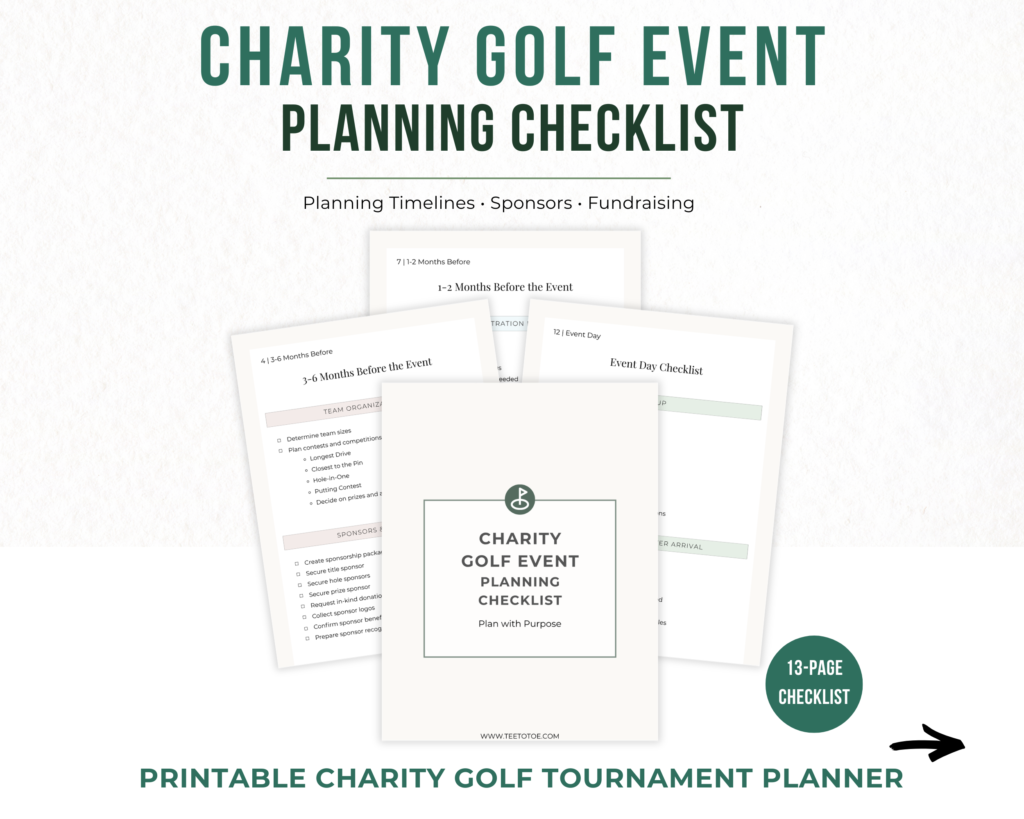
⛳ Stay ahead of every deadline with a printable Golf Tournament Planning Checklist that keeps tasks organized from the first planning meeting through tournament day.
.
.
.
2. Choosing the Wrong Golf Course
Price is important. But it shouldn’t be the only factor.
The golf course sets the tone for your entire event.
Why it matters
A course that’s difficult to access, lacks event space, or has limited staff support can create problems from the moment golfers arrive.
How to avoid it
Look beyond the green fees.
Consider:
- Parking
- Registration space
- Banquet facilities
- Practice areas
- Course condition
- Staff experience with charity tournaments
Visit the course before making your decision whenever possible.
.
.
3. Not Setting Clear Fundraising Goals
Many organizers focus on filling the tournament.
That’s great. But full doesn’t always mean successful.
Why it matters
Without clear goals, it’s hard to know if your event achieved what you hoped.
How to avoid it
Set targets before planning begins.
For example:
- Total fundraising goal
- Number of golfers
- Sponsorship revenue
- Silent auction income
- Raffle sales
- Donations
Having clear goals helps every planning decision make more sense.
.
.
4. Waiting Too Long to Find Sponsors
Sponsors are the financial backbone of many charity golf tournaments.
Unfortunately, many organizers wait until registration opens before reaching out.
Why it matters
Most businesses set their marketing and community budgets months in advance.
If you wait too long, the money may already be allocated elsewhere.
How to avoid it
- Begin sponsor outreach early.
- Create clear sponsorship packages.
- Follow up with potential sponsors.
- Make it easy to say yes.
The earlier you start, the more options you’ll have.
.
.
5. Making Registration Complicated
Nobody enjoys filling out long forms.
If registration feels difficult, some golfers simply won’t finish it.
Why it matters
A frustrating registration process can reduce sign-ups before your tournament even begins.
How to avoid it
Keep things simple.
- Offer online registration.
- Accept multiple payment options.
- Ask only for information you actually need.
- Send instant confirmation emails.
The easier it is to register, the more golfers you’ll attract.
.
.
6. Underestimating Volunteer Needs
Volunteers help keep everything running smoothly.
Trying to manage an event with too few people is asking for trouble.
Why it matters
Long registration lines, delayed contests, and confused golfers can quickly affect the atmosphere.
How to avoid it
Assign volunteers to specific roles.
Examples include:
- Registration
- Hole contests
- Raffles
- Silent auction
- Setup
- Cleanup
- Photographer
- Score collection
Make sure everyone knows their responsibilities before tournament day.
.
📌 Looking for more info on this topic? Find out more with this related article “Golf Tournament Volunteers: Essential Roles & Staffing Tips”
.
.
7. Poor Communication with Golfers
Your golfers shouldn’t have to guess what’s happening.
Clear communication creates a much better experience.
Why it matters
Every unanswered question becomes another phone call or email for your planning team.
How to avoid it
Send a pre-event email that includes:
- Event schedule
- Parking instructions
- Dress code
- Registration time
- Course information
- Weather updates if needed
A single email can answer dozens of questions before they’re asked.
.
⛳ A clear Golf Event Schedule and professionally displayed Golf Pairings Board help golfers know exactly where to be and when, reducing confusion throughout the day.
.

.
.
8. Ignoring the Budget
It’s easy to focus on fundraising while forgetting about expenses.
Both deserve equal attention.
Why it matters
Unexpected costs can quickly reduce the amount your charity receives.
How to avoid it
Track every dollar.
Include:
- Sponsorship income
- Registration fees
- Food costs
- Merchandise
- Prizes
- Printing
- Decorations
- A small contingency fund for surprises
Good budgeting helps protect your fundraising goals.
.
.
9. Forgetting the Fun
Golf is only part of the experience.
People remember the atmosphere just as much as their score.
Why it matters
Fun events create happy golfers. Happy golfers are much more likely to return next year.
How to avoid it
Add a few engaging activities.
Popular ideas include:
- Closest-to-the-pin
- Long drive contest
- Putting challenge
- Mulligans
- Hole-in-one competition
- Beat the pro
These activities also create extra fundraising opportunities.
.
.
10. Giving Sponsors Too Little Visibility
A logo on a flyer isn’t enough.
Sponsors want to feel like valued partners.
Why it matters
Happy sponsors are much more likely to support future tournaments.
How to avoid it
Look for multiple ways to recognize sponsors.
Ideas include:
- Tee signs
- Registration banners
- Social media posts
- Event website
- Awards dinner
- Printed programs
- Thank-you emails
The more value sponsors receive, the easier next year’s fundraising becomes.
.
.
11. Having No Weather Backup Plan
Every organizer hopes for sunshine.
Not every tournament gets it.
Why it matters
Rain can affect schedules, contests, meals, and golfer expectations.
How to avoid it
Have a plan before you need one.
Think about:
- Rain policy
- Communication plan
- Indoor alternatives
- Schedule adjustments
- Refund policy if applicable
Planning ahead helps everyone stay calm if the weather changes.
.
.
12. Forgetting Event Signage
Never assume guests know where to go.
Even familiar golfers appreciate clear directions.
Why it matters
Good signage keeps your event moving and reduces confusion.
How to avoid it
Use signs for:
- Parking
- Registration
- Practice green
- Restrooms
- Auction area
- Dinner
- Sponsor recognition
- Contest holes
Simple signs can make your tournament feel much more organized.
.
⛳ Professionally designed golf signs make it easy for guests to navigate the course while giving sponsors and contest holes the visibility they deserve.
.

.
.
13. Focusing on Golf Instead of Your Cause
People come to play golf.
They donate because they believe in your mission.
Why it matters
Your cause is what makes your tournament meaningful.
How to avoid it
Share your story throughout the event.
Talk about:
- Who you’re helping
- How donations make a difference
- Your fundraising goal
- Success stories
- Future plans
A personal story is often more memorable than any scorecard.
.
.
14. Skipping the Follow-Up
The tournament may be over.
Your relationships are just beginning.
Why it matters
Following up helps turn first-time participants into loyal supporters.
How to avoid it
Within a few days:
- Thank golfers.
- Thank sponsors.
- Thank volunteers.
- Share photos.
- Announce how much was raised.
- Ask for feedback.
People appreciate knowing the impact they helped create.
.
.
15. Trying to Do Everything Yourself
Many organizers wear too many hats.
That usually leads to burnout.
Why it matters
No one can manage every detail alone.
Delegating makes the event stronger.
How to avoid it
Build a planning team.
Assign leaders for:
- Sponsorships
- Marketing
- Volunteers
- Registration
- Finances
- Logistics
Trust your team. You’ll enjoy the experience a lot more.
.
.
Common Charity Golf Tournament Mistakes and How to Avoid Them
No charity golf tournament is perfect. Every event brings a few surprises.
The goal isn’t perfection. It’s preparation.
Avoid these common planning mistakes, stay organized, and focus on creating a great experience for your golfers, sponsors, and volunteers.
You’ll be well on your way to hosting a successful tournament that raises more money and builds lasting support for your cause.⛳ 💚
.
.
You might also like:
- How to Get Sponsors for a Charity Golf Tournament
- 21 Golf Tournament Fundraiser Ideas That Raise More Money for Charity Events
- 11 Golf Tournament Check-In Ideas Guests Will Love
- How to Plan a Charity Golf Day People Actually Want to Attend
- 45 Golf Tournament Prize Ideas for Every Budget
- Golf Day Schedule Example: A Simple Golf Event Timeline That Keeps Everything Running Smoothly
- 17 Golf Fundraiser Ideas Guests Will Talk About All Year
- Golf Tournament Invitation Wording Ideas (Casual, Corporate & Charity Events)
- Golf Charity Tournament Checklist: Everything You Need Before Event Day